Direct manufacturer supply for early learning, sensory development, and interactive programming.
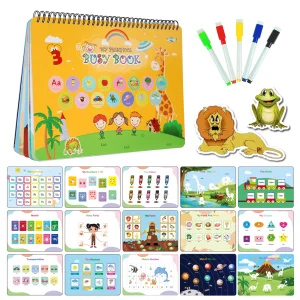
Guangzhou Osfor Toy Co., Ltd. is a professional Educational Toy Manufacturer specializing in the design, development, and production of innovative learning toys for children worldwide. As a trusted China supplier, we are committed to creating high-quality educational products that inspire creativity, critical thinking, and lifelong learning.
Our extensive product portfolio includes STEM learning toys, Montessori educational toys, early learning toys, sensory development toys, science experiment kits, coding and robotics toys, wooden educational toys, puzzle games, and classroom learning resources. Designed to support children's cognitive, social, and motor skill development, our products combine educational value with engaging play experiences.
Backed by robust manufacturing infrastructures, advanced safety engineering, and comprehensive OEM/ODM product pipelines, we have positioned ourselves as the premier exporter of kids coding systems and STEM solutions that seamlessly translate theoretical programming logics into tactile, screenless, or software-connected activities.
Understanding the transition towards tangible interactive programming and smart edtech integration.
Modern educational institutions are pivoting away from excessive screen time. Screenless coding systems utilize wooden blocks, physical directional chips, magnetic linkages, and optical tracking cards. By physicalizing abstract sequences, loops, and condition statements, children aged 3–9 internalize logical structures through tactile muscle memory and physical interactions.
For mid-to-high age groups (8–14 years), the market demand has shifted dramatically toward modular microcontroller integration. Product lines featuring Espressif ESP32 and Arduino-compatible architectures enable real-time execution of C++, Python, or Scratch visual scripts, forming a bridge between toy grade play and professional engineering.
Modern kids coding activities must address inclusive environments. Combining algorithmic structures with sensory feedback—such as vibratory components, adjustable luminescence, and voice recognition systems—creates inclusive platforms for children with autism, ADD, and sensory integration challenges, doubling the therapeutic utility of coding toys.
An inside look at the procurement priorities of international schools, toy chains, and distributors.
Global retail networks and school districts maintain strict thresholds for product compliance. Smart toys and coding kits entering North America must pass ASTM F963, CPSIA lead-content limits, and FCC Part 15 electromagnetic emission tests. Meanwhile, the European market mandates EN71 (Parts 1, 2, 3, and 9), RoHS compliance, and CE markings for integrated microcircuits.
Educational publishers and brands require bespoke hardware shapes, tailored firmware features, localized voice command libraries, and branded packaging structures. A supplier's capacity to adjust injection mold configurations and modify basic PCB firmwares determines their long-term supply viability.
Modern buyers don't just purchase toys; they procure educational ecosystems. Coding solutions must align with international standards such as NGSS (Next Generation Science Standards), ISTE (International Society for Technology in Education), and local STEM frameworks, providing comprehensive teacher guides, activity plans, and step-by-step assembly diagrams.
Why sourcing from Guangzhou Osfor Toy Co., Ltd. yields unprecedented cost and quality advantages.
Guangzhou's industrial ecosystem offers a massive competitive edge in raw material sourcing and logistics. By drawing from the Pearl River Delta’s comprehensive component network, we coordinate premium raw materials, customized PCBs, advanced injection molding techniques, and eco-certified wood processing (such as FSC birch and beech wood) within a minimal geographic radius. This structural synergy minimizes transit costs, ensures real-time quality audits, and guarantees quick turnaround times for custom tooling.
Utilizing high-speed injection molding lines, robotic soldering systems, and computer-guided wood carving, our facilities run under strict 5S management standards to eliminate errors and maintain microscopic physical tolerances.
Our modular production planning responds swiftly to sudden demand changes. Whether handling low-volume runs (low MOQ) for market testing or high-volume seasonal inventory spikes, we adjust dynamically without compromising product delivery schedules.
Our quality checks cover every step, from Incoming Quality Control (IQC) for plastic resins and silicones, to In-Process Quality Control (IPQC) for chip performance, and final Pre-Shipment Inspections (OQC) to guarantee complete compliance.
Tailored configurations optimized for classrooms, retail shelves, and early learning centers.
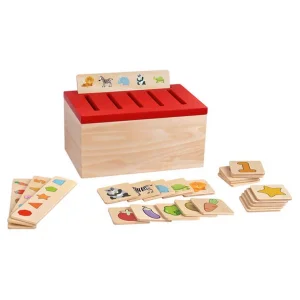
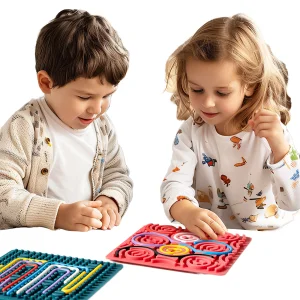
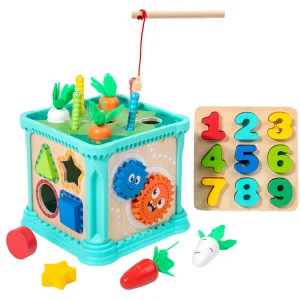
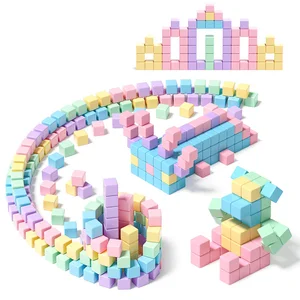
At this stage, we focus on concrete, tangible experiences. Combining Montessori sorting boards, sensory silicone shapes, and basic magnetic blocks helps develop initial fine motor control, shape perception, and simple pattern matching.
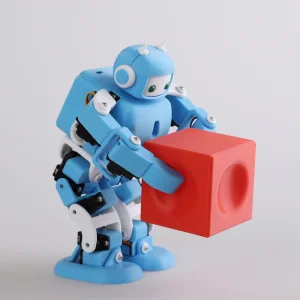
These scenarios involve progressive programming challenges. Using humanoid robots with screenless color sensor maps or block-based logic, students learn logical sequencing, loops, variables, and structural problem-solving.
Sensory-rich silicone textures and interactive sound and voice boards offer sensory regulation and tactile feedback, helping neurodivergent children develop motor control, cognitive matching, and social skills.
Inside our production facilities, quality laboratories, and warehousing operations.
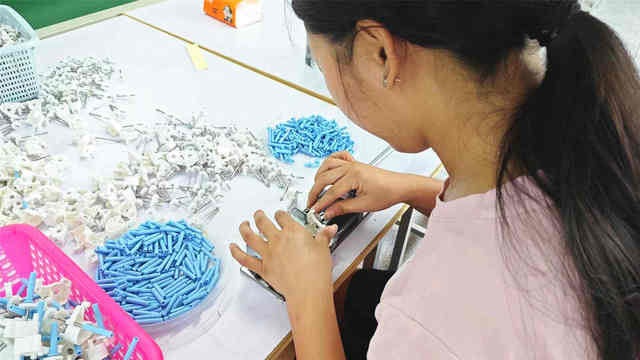
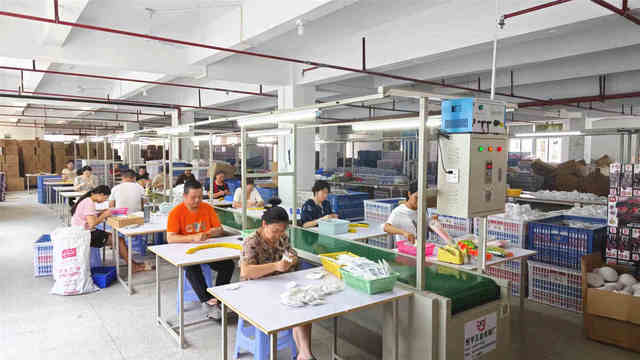
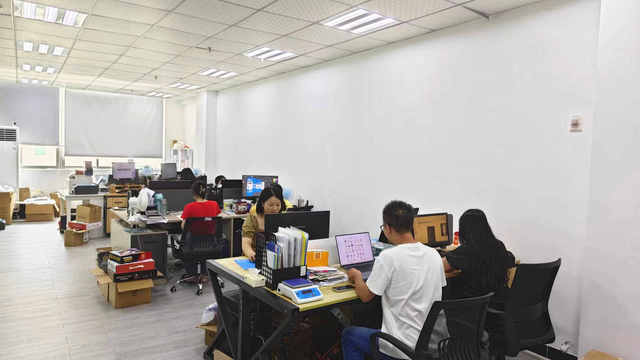
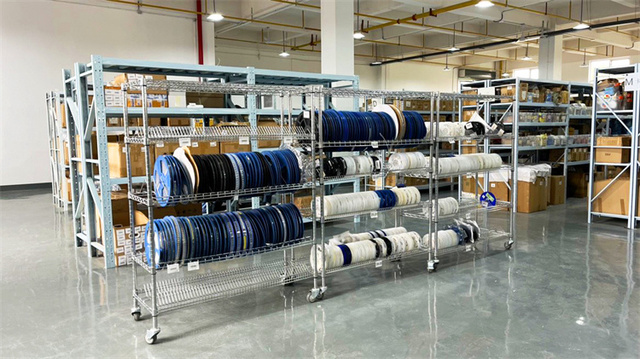
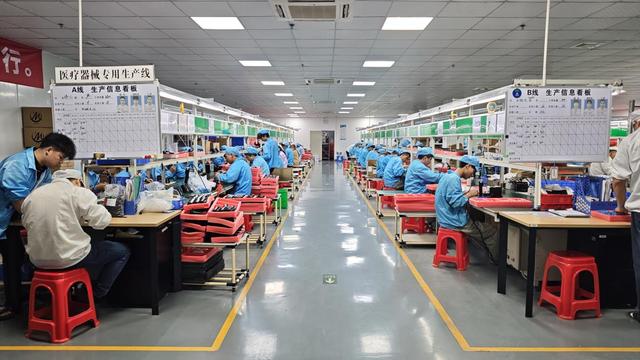
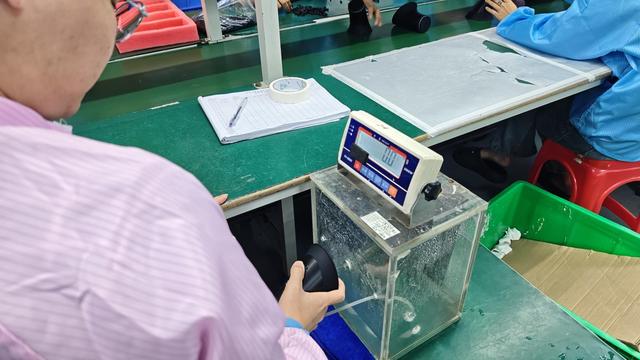
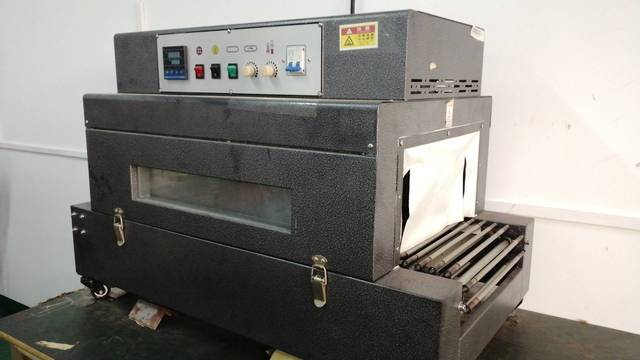
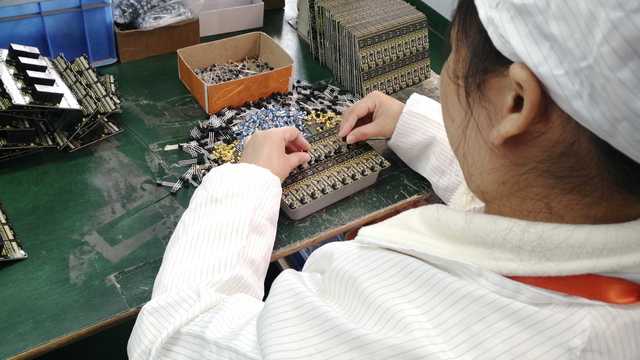
At Osfor Toy, quality and safety are at the core of everything we do. Our manufacturing processes follow strict quality control standards to ensure every product meets international safety requirements and customer expectations. We carefully select child-friendly materials and continuously improve our production capabilities to deliver reliable educational toy solutions for global markets. Supported by an experienced R&D team, we closely follow educational trends and emerging learning methodologies to develop innovative products that meet the needs of modern families, schools, retailers, and educational institutions. We also provide flexible OEM and ODM services, helping customers create customized educational toy collections that align with their brand strategies and market demands. With a strong commitment to innovation, quality, and customer satisfaction, we have established long-term partnerships with clients across North America, Europe, Southeast Asia, the Middle East, and other international markets.
Detailed information regarding minimum orders, customization capability, safety compliance, and shipping logistics.
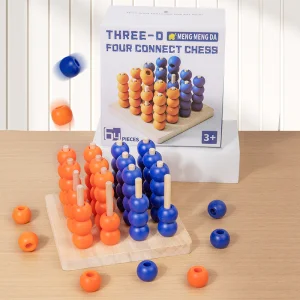
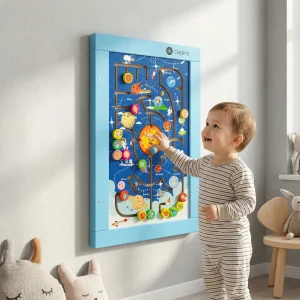
Explore our wider range of Montessori wooden games, physics lab kits, and creative puzzles.
 Osfor Toy