The global market for Science Activity Kits has transitioned from simple chemical reaction sets to sophisticated, multi-disciplinary tools incorporating AI, robotics, and sensory integration. As a leading China supplier, Guangzhou Osfor Toy Co., Ltd. is at the forefront of this transformation, bridging the gap between theoretical science and tactile learning.
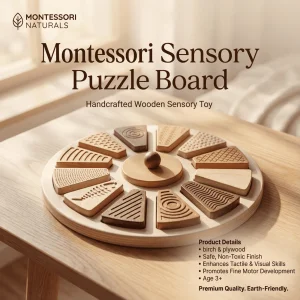
Modern factories today must navigate complex global standards. We don't just manufacture toys; we engineer educational experiences that comply with international pedagogies including Montessori and STEAM (Science, Technology, Engineering, Arts, Mathematics).
Our research and development team focuses on cognitive scaffolding, ensuring that a kit for a 3-year-old builds the neural foundations required for 12-year-old coding logic.
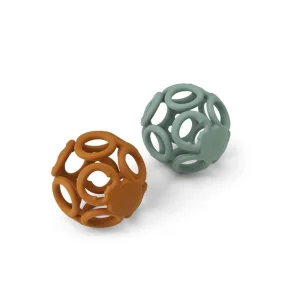
Using food-grade silicone and BPA-free plastics, our production lines are audited for environmental sustainability and labor ethics, meeting the strict requirements of North American and European retailers.
Guangzhou Osfor Toy Co., Ltd. is a professional Educational Toy Manufacturer specializing in the design, development, and production of innovative learning toys for children worldwide. As a trusted China supplier, we are committed to creating high-quality educational products that inspire creativity, critical thinking, and lifelong learning.
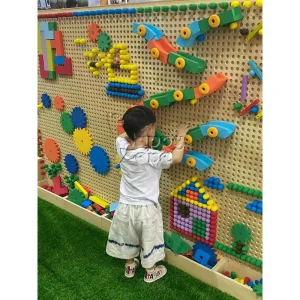
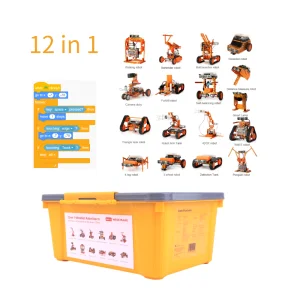
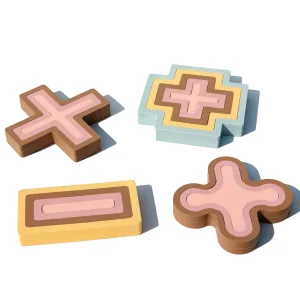
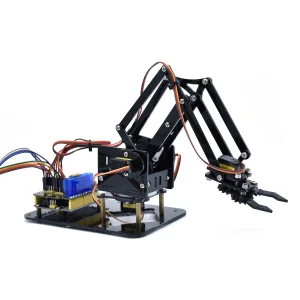
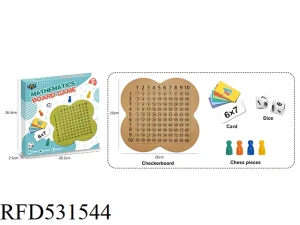
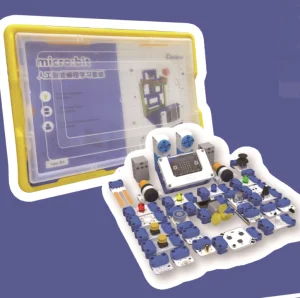
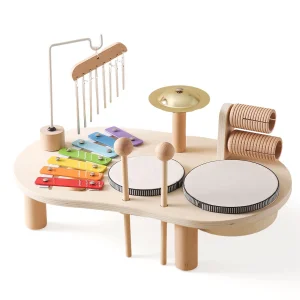
Our extensive product portfolio includes STEM learning toys, Montessori educational toys, early learning toys, sensory development toys, science experiment kits, coding and robotics toys, wooden educational toys, puzzle games, and classroom learning resources.
Supported by an experienced R&D team, we closely follow educational trends and emerging learning methodologies to develop innovative products that meet the needs of modern families, schools, retailers, and educational institutions. We also provide flexible OEM and ODM services.
The next decade of science activity kits will be defined by the synthesis of the digital and physical worlds. Osfor Toy's roadmap focuses on three pillars:
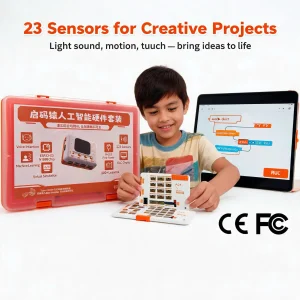
Integration of low-power AI modules that adapt difficulty levels based on the child's problem-solving speed. Our Advanced AI Coding Robot series is the first step in this journey.
Transitioning from traditional plastics to biodegradable PLA and FSC-certified wood across all STEM engineering sets to minimize the carbon footprint of play.
Developing kits that allow students across the globe to share data from their science experiments (e.g., local pH levels or weather patterns) in real-time via secure cloud platforms.
Why choose a Guangzhou-based factory? The Pearl River Delta remains the world's most robust ecosystem for toy manufacturing.
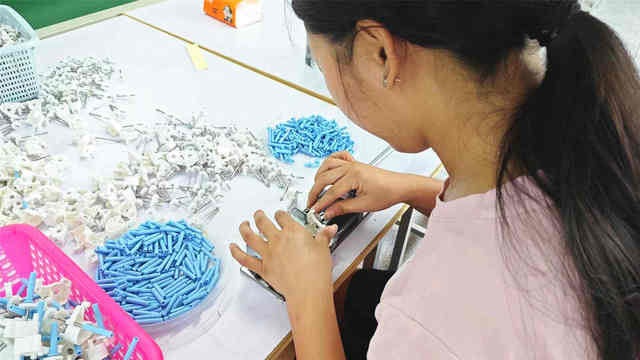
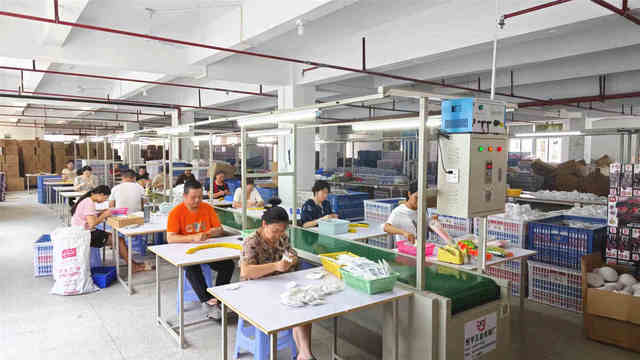
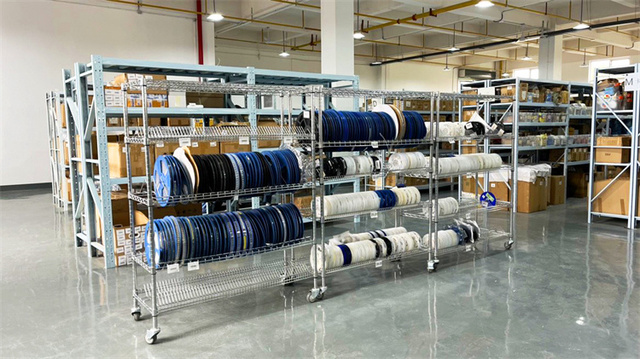
Our vertical integration—from raw material sourcing to automated injection molding and PCB assembly—allows us to buffer against global logistics shocks and maintain stable pricing for our partners in North America, Europe, and the Middle East.
One size does not fit all in education. Osfor Toy provides deep localization support:
We adapt our Science Experiment Kits to align with the NGSS (Next Generation Science Standards) in the USA or the National Curriculum in the UK.
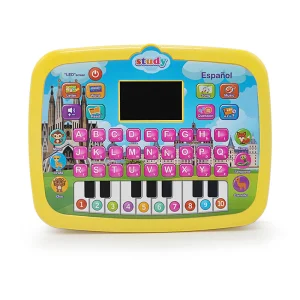
Beyond simple translation, we culturally adapt our learning machines, such as the Spanish Learning Tablet, ensuring pedagogical nuances are preserved.
Engineering toys that withstand the humidity of Southeast Asia or the temperature fluctuations of Northern Europe, using premium UV-resistant and moisture-proof materials.
Q1: What safety certifications do your science kits carry?
A: All our products undergo rigorous testing to meet ASTM F963 (USA), EN71 (EU), and CPSIA standards. We also provide Phthalate-free and Lead-free certifications for every batch.
Q2: Do you support small-batch OEM for startups?
A: Yes, we offer flexible MOQ (Minimum Order Quantity) options to help educational startups and boutique brands launch their private label collections without high inventory risk.
Q3: How do you ensure the "Educational Value" of the kits?
A: We collaborate with child psychologists and STEM educators during the design phase to ensure each kit follows the Zone of Proximal Development (ZPD) theory, challenging children just enough to promote growth.
Q4: Can you integrate software or apps with the physical toys?
A: Absolutely. Our Coding & Robotics division specializes in Bluetooth integration and developing companion apps for both iOS and Android to enhance the learning experience.
 Osfor Toy