Explore our premium selection of foundational sensory, mathematical, and hands-on mechanical building blocks designed to introduce kids to core developmental milestones.
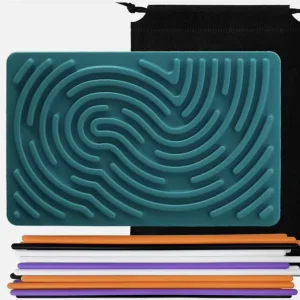
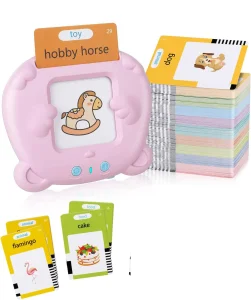
The global educational toy sector has evolved from static wooden blocks to complex, programmable robotics modules. In modern classrooms, educational tools must align with Next Generation Science Standards (NGSS), Common Core, and STEAM (Science, Technology, Engineering, Art, Mathematics) pedagogical guidelines. As a global sourcing partner, securing high-quality STEM Robotics Kits from reliable Chinese manufacturers requires evaluating hardware flexibility, microcontroller ecosystem compatibility, and raw material safety.
China's manufacturing ecosystem provides major structural advantages. By integrating raw material sourcing, automated plastic injection molding, precision micro-electronics assembly, and specialized firmware programming in centralized clusters, China produces cost-effective, high-quality robotics kits. Importers must look beyond low unit costs and focus on manufacturing tolerances, chemical compound safety, and firmware reliability.
Effective STEM robotics kits rely on compatibility. Systems built on open-source hardware standards, like Arduino or micro:bit, let schools integrate kits into existing lesson plans. This reduces the risk of vendor lock-in and extends product lifespans.
Products must comply with global toy safety guidelines, including EN71 (Europe), ASTM F963 (US), and CPC certifications. When sourcing polymers (like ABS and food-grade silicones), trace chemical elements must stay well below regulatory thresholds.
As classroom requirements shift toward collaborative, inquiry-based learning, manufacturers must provide complete solutions rather than just components. Suppliers like Guangzhou Osfor Toy Co., Ltd. bridge this gap by designing products that balance physical durability, sensor precision, and intuitive software interfaces.
An Established Pioneer in Global Educational Toy Development and OEM/ODM Custom Sourcing
Guangzhou Osfor Toy Co., Ltd. is a professional Educational Toy Manufacturer specializing in the design, development, and production of innovative learning toys for children worldwide. As a trusted China supplier, we are committed to creating high-quality educational products that inspire creativity, critical thinking, and lifelong learning.
Our extensive product portfolio includes STEM learning toys, Montessori educational toys, early learning toys, sensory development toys, science experiment kits, coding and robotics toys, wooden educational toys, puzzle games, and classroom learning resources. Designed to support children's cognitive, social, and motor skill development, our products combine educational value with engaging play experiences.
Supported by an experienced R&D team, we closely follow educational trends and emerging learning methodologies to develop innovative products that meet the needs of modern families, schools, retailers, and educational institutions. We also provide flexible OEM and ODM services, helping customers create customized educational toy collections that align with their brand strategies and market demands.
At Osfor Toy, quality and safety are at the core of everything we do. Our manufacturing processes follow strict quality control standards to ensure every product meets international safety requirements and customer expectations. We carefully select child-friendly materials and continuously improve our production capabilities to deliver reliable educational toy solutions for global markets.
With a strong commitment to innovation, quality, and customer satisfaction, Guangzhou Osfor Toy Co., Ltd. has established long-term partnerships with clients across North America, Europe, Southeast Asia, the Middle East, and other international markets. We strive to be a reliable partner for businesses seeking premium educational toys that promote meaningful learning through play and support children's growth at every stage of development.
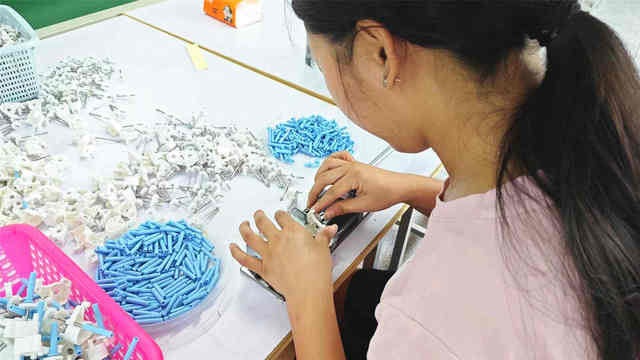
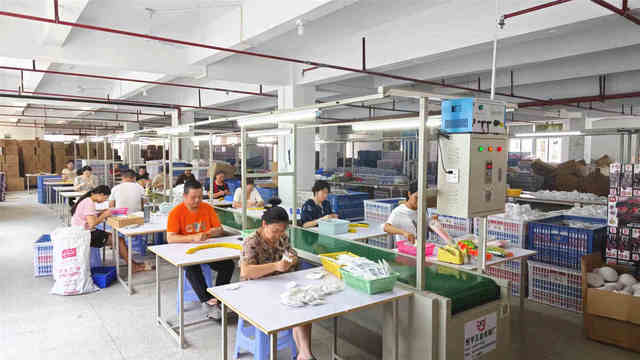
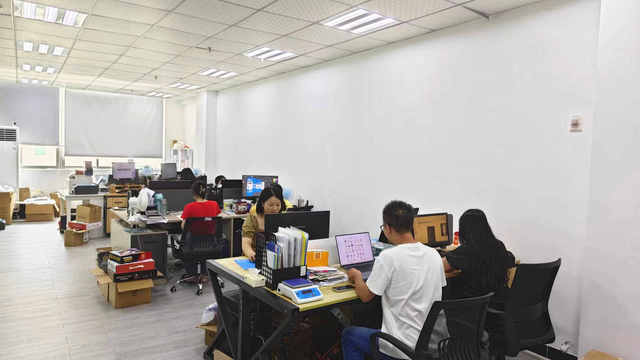
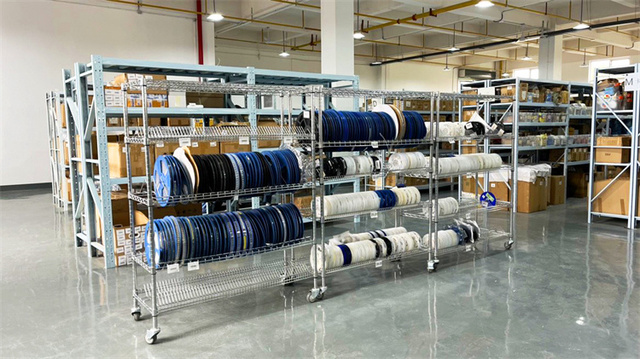
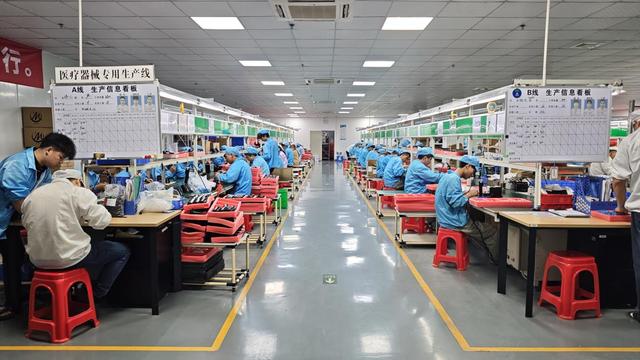
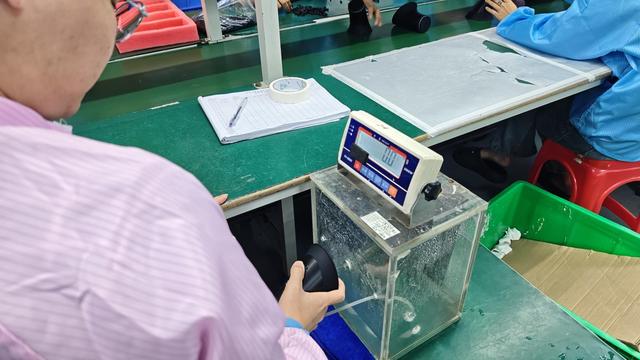
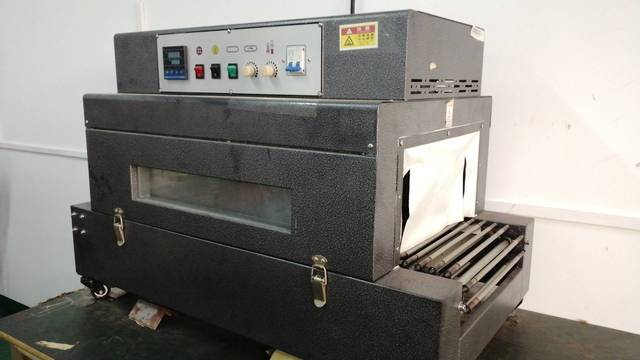
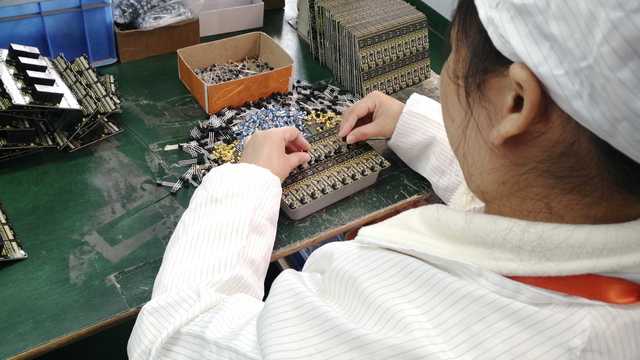
A look inside our advanced manufacturing, raw material storage, assembly, and quality assurance processes.
How our product lines support the progression from early childhood motor skills to advanced coding and logic.
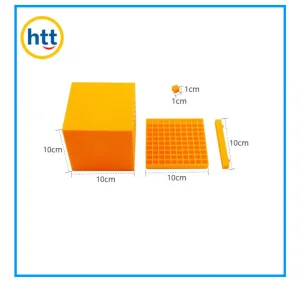
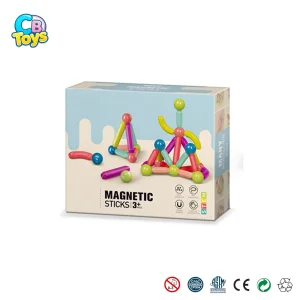
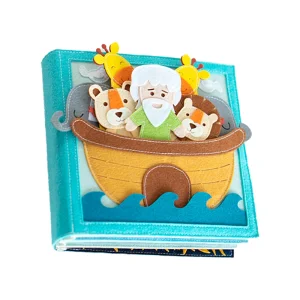
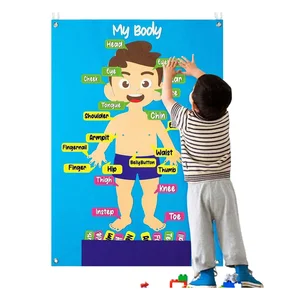
Focuses on tactile exploration, coordination, and base-ten mathematics. Products like Montessori felt boards and magnetic building sticks build structural and spatial awareness without the need for screen time.
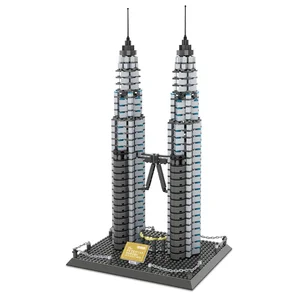
Introduces simple machines, kinetic pathways, and structural stability. Builders learn about torque, gear ratios, and tension by assembling complex architectural models (such as Petronas Twin Towers blocks) and wooden science kits.
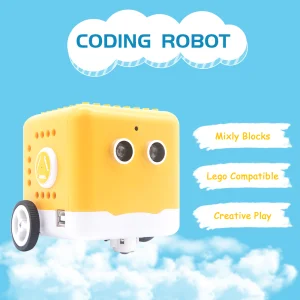
Combines physical building with logic code. Using open-source microcontrollers (like Arduino/ESP32), kids program smart cars and robotic sensors, translating blocks of code into real-world motion.
Sourcing educational tools requires understanding how they will be used. Our product portfolio supports three primary educational environments:
By offering solutions that span these three areas, Guangzhou Osfor Toy Co., Ltd. helps educational distributors, institutional buyers, and retail brands select products tailored to their target markets.
Customizing physical properties, electronics, packaging, and certifications for regional markets.
We use high-grade steel injection molds to produce plastic components with tight dimensional tolerances (down to 0.02mm). This ensures reliable brick clutch power and uniform quality across large production runs.
Our microcontrollers support multiple programming environments, from graphical drag-and-drop systems (like Scratch and Blockly) to text-based code (like C++ and Python) for advanced students.
We offer customized retail packaging, bilingual instruction booklets, and lab testing documentation (including CE, ASTM, and CPC reports) to ensure smooth customs clearance and market entry.
Answers to common technical, manufacturing, compliance, and logistical questions.
Explore our customizable programming cars, language tools, food-grade silicone letters, and mechanical building sets designed for older students and custom branding.
 Osfor Toy