Parents often seek the best for their children’s development. One popular question arises: "are educational toys worth the investment?" Many believe these toys offer more than fun. They claim that educational toys can enhance a child’s cognitive skills, creativity, and social abilities. Research supports these views. Toys designed for learning can engage young minds effectively.
However, it is essential to recognize that not all educational toys are created equal. Some may claim to be beneficial but lack real educational value. The challenge lies in discerning quality products from mere marketing gimmicks. Parents should consider their child's unique needs and interests. A toy that excites one child might bore another.
Investing in educational toys can be worthwhile. Yet, it is vital to critically evaluate options before purchasing. Reflecting on the potential benefits and limitations will guide parents in making informed choices. Ultimately, the right toys can foster growth while sparking joy.
Understanding Educational Toys: Definition and Types
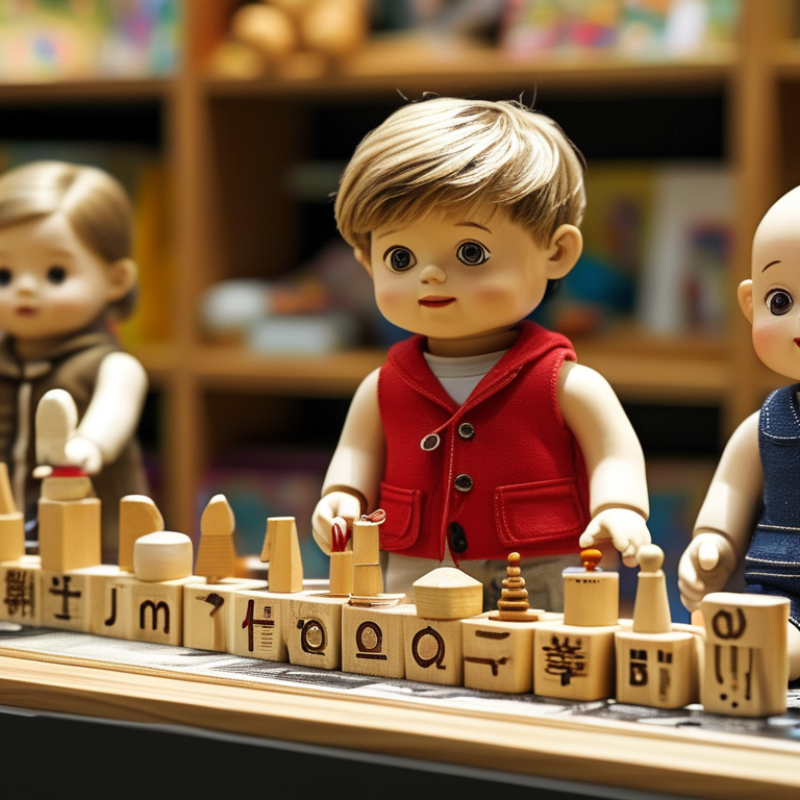
Educational toys are designed to promote learning through play. These toys can vary significantly in function and purpose. Some focus on developing motor skills, while others enhance cognitive abilities. For example, building blocks encourage creativity and spatial awareness. Puzzles challenge problem-solving skills and logical thinking.
Types of educational toys include STEM-focused games, language development tools, and social interaction kits. STEM toys often incorporate science, technology, engineering, and math concepts into engaging formats. Language tools may involve storytelling games that boost vocabulary. Social kits foster teamwork and communication among peers, essential for personal development.
While these toys often carry a higher price tag, their benefits are quite tangible. They can nurture curiosity and instill a love for learning. However, not all children respond positively to educational toys. Some may prefer traditional play. It’s important to find the right balance. Parents should observe their child’s interests and needs. This trial and error can lead to more rewarding play experiences.
The Benefits of Educational Toys for Child Development
Educational toys have become a popular choice for parents looking to support their child's growth. These toys are designed to boost cognitive skills, enhance creativity, and improve problem-solving abilities. When children engage with puzzles or building blocks, they learn about shapes, colors, and spatial awareness. This hands-on approach can lead to deeper understanding and retention of concepts.
Moreover, educational toys often encourage social interaction. Many toys are made for multiple players, promoting teamwork and communication. This aspect fosters emotional intelligence. Kids learn to share, negotiate, and resolve conflicts. These skills are valuable in both childhood and later life. However, not every educational toy is perfect. Some may overstimulate or fail to engage a child as intended.
For parents, choosing the right educational toys can be a thoughtful process. Understanding your child's unique interests and developmental stage is critical. Additionally, it’s essential to balance such toys with free play. While educational toys offer structured learning, unstructured play allows creativity to flourish. The goal should be a blend that nurtures both skills and imagination.
Evaluating the Cost vs. Benefits of Educational Toys
When considering educational toys, parents often weigh their cost against potential benefits. These toys can offer unique learning experiences. For instance, blocks enhance spatial awareness and fine motor skills. Puzzles boost problem-solving abilities. Such activities foster creativity while also teaching foundational concepts.
Yet, not all toys deliver value. Some may be overpriced or fail to engage children effectively. It's essential to assess a toy's educational merit. Look for options that encourage critical thinking and engage children actively. Observe how your child interacts with these toys. Are they truly learning, or is it merely playtime?
In the quest for effective learning tools, reflection is key. Engage with your child about their interests. Not every toy will be a hit. You may find that a simple item offers more educational value than a high-tech gadget. Consider your child's needs and interests. Finding the right balance between fun and education requires careful evaluation.
Factors to Consider When Choosing Educational Toys
When choosing educational toys, several factors should be considered.
First, developmental appropriateness is crucial.
Toys must match your child's age and cognitive abilities.
For instance, a 2022 report by the American Academy of Pediatrics emphasized that age-appropriate toys encourage learning and prevent frustration.
For infants, simple shapes and textures stimulate sensory development.
As children grow, complex puzzles and coding games enhance critical thinking and problem-solving.
Material safety is another major consideration.
A survey from the Consumer Product Safety Commission in 2021 indicated that 40% of toy-related injuries involved unsafe materials.
Look for non-toxic, durable materials. This ensures safety during play, which is vital for toddlers who explore through their mouths.
Avoid toys with small parts that could pose choking hazards.
Finally, playability enhances engagement.
Toys should inspire creativity and imagination.
However, not all toys can achieve this. An excessive focus on educational value might lead to less enjoyment.
Balance is key. Research shows that children learn best when they are having fun.
Explore options that blend education and play, fostering an environment where learning becomes a natural, enjoyable process.
Tips for Maximizing Playtime with Educational Toys
Maximizing playtime with educational toys is a rewarding experience for both parents and children. Choosing the right educational toys can create opportunities for exploration and learning. Look for toys that encourage creativity and critical thinking. Building blocks, puzzles, and art supplies can engage children in unique ways. Focus on your child’s interests to make learning enjoyable.
Setting a dedicated play time can enhance the experience. Create a space free from distractions. This helps children concentrate on their activities. Make it a family affair; join in the playtime. Engaging with your child allows you to guide their learning journey while bonding. Observe how they play. Sometimes, children may ignore instructions and explore toys differently. This can lead to unexpected learning moments that you might not anticipate.
Don’t hesitate to rotate toys every few weeks. Introducing different toys keeps the excitement alive. It also encourages continual learning. Remember, not all play experiences will go smoothly. Sometimes, the toys may frustrate your child. Reflect on these moments. Learning to cope with challenges is part of growth. Embrace imperfections in playtime, and allow your child to discover their own pace. This journey can be incredibly enriching.
FAQS
: Educational toys promote learning through play and enhance various skills.
They boost cognitive skills, improve creativity, and enhance problem-solving abilities.
Puzzles, building blocks, STEM games, and language development tools are common types.
They foster teamwork and communication, essential for emotional intelligence.
No, some children may prefer traditional play and may not engage as intended.
Parents should consider their child's interests and developmental stage before purchasing.
Yes, structured learning and unstructured play both nurture creativity and skills.
Often, yes, but the tangible benefits can justify the cost.
Some toys may overstimulate or fail to engage a child effectively.
Observing children’s responses can lead to rewarding and enjoyable play experiences.
Conclusion
Educational toys are increasingly recognized for their potential benefits to child development, but the question remains: are educational toys worth the investment? To answer this, it’s essential to understand the various types of educational toys available and how they contribute to learning through play. These toys can enhance skills such as problem-solving, creativity, and social interaction, making them invaluable during formative years.
When evaluating the cost versus benefits of educational toys, parents should consider factors such as the child’s age, interests, and developmental needs. Choosing the right educational toys involves looking for those that align with the child's learning goals while ensuring they offer engaging play experiences. Additionally, maximizing playtime with these toys can further enhance their value, ultimately reinforcing the notion that, for many families, investing in educational toys is indeed beneficial.

 Osfor Toy
