Sensory toys have gained attention for their role in enhancing child development. Parents and educators are eager to understand how do sensory toys support child development. These toys engage a child's senses, promoting exploration and learning. They can vary widely, from textured balls to sound-producing instruments.
Research highlights how sensory toys aid in fine motor skills and cognitive growth. Children learn through touch, sight, and sound, which these toys provide abundantly. For example, a child might grasp a squishy toy, enhancing grip strength. This seemingly simple act contributes to their overall development.
However, not every sensory toy is suitable for every child. Individual needs vary significantly. It's essential to reflect on which toys resonate best with a child's interests. Some may thrive with calming fidget tools, while others prefer vibrant, interactive play. The key lies in understanding each child's unique preferences and needs. Sensory toys can be a powerful tool when chosen thoughtfully.
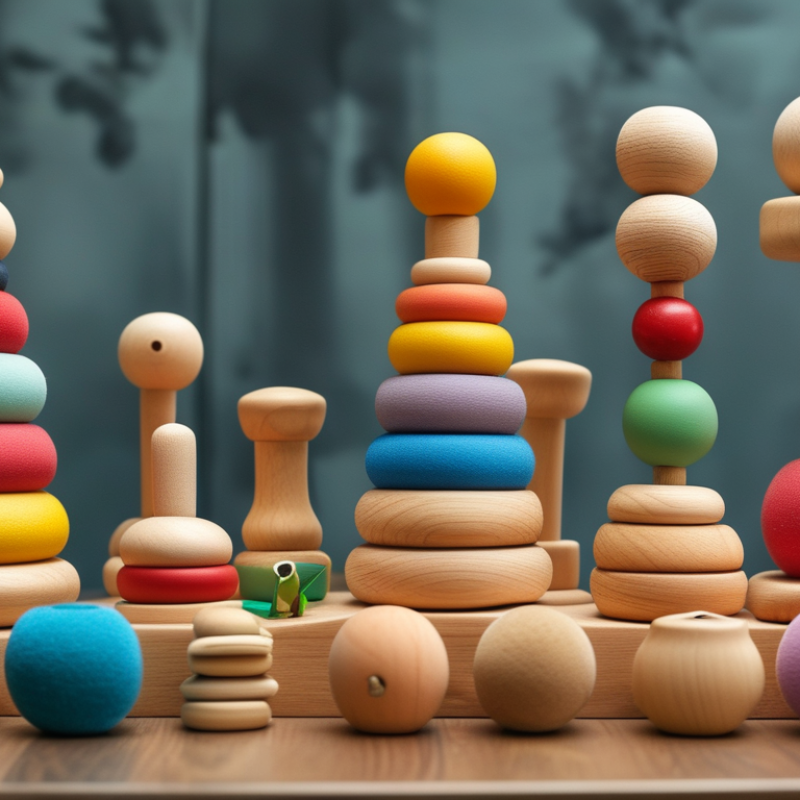
The Role of Sensory Toys in Early Childhood Development
Sensory toys play a vital role in early childhood development. They engage multiple senses, promoting exploration and learning. Children interact with textures, sounds, and colors. This interaction enhances their cognitive skills and emotional regulation. For instance, a simple squishy ball can calm anxious hands or stimulate interest in various textures.
These toys encourage social interaction too. Children often share sensory toys with peers, fostering communication skills. They learn to express their feelings and understand others. While some children thrive with sensory toys, others may feel overwhelmed. Not every toy works for every child. Finding the right balance is key to supporting development.
Reflecting on this, parents should observe their child's reactions. Do they engage or withdraw? Adjustments may be necessary. Not all sensory experiences are positive. The goal is to create a safe space for exploration, fostering growth and resilience in each child.
Understanding Sensory Processing and Its Importance in Child Growth
Sensory processing refers to how our brains organize and interpret sensory information. For children, this is essential in understanding their environment. Developing effective sensory processing skills can lead to better emotional regulation, social interactions, and learning outcomes. Children with heightened sensitivity or sensory challenges may face difficulties in daily activities. They often feel overwhelmed by sounds, textures, or lights. This is where sensory toys come in.
Sensory toys provide children with opportunities to explore various textures, sounds, and movements. These toys promote engagement through tactile experiences and can enhance fine motor skills. For example, squishy balls can offer comfort and improve grip strength. Children often find joy in these toys, which can help them express themselves. When they feel secure, they are more willing to interact with their peers and explore their surroundings.
Yet, it's important to recognize that not all sensory toys work for every child. Some may find certain textures distressing. Parents and caregivers must observe individual preferences carefully. The goal is to find toys that stimulate without causing anxiety. Reflecting on a child's responses can offer valuable insights. Ultimately, balancing stimulation and comfort is key to fostering positive development in children.
Key Types of Sensory Toys and Their Developmental Benefits
Sensory toys play a vital role in enhancing child development. Different types of sensory toys stimulate various senses, offering unique benefits. For instance, tactile toys, such as textured balls and squishy materials, promote fine motor skills and strengthen hand-eye coordination. Research indicates that 70% of children showed improved motor skills when regularly using tactile sensory toys.
Visual sensory toys, like colorful stacking blocks or light-up items, help develop visual tracking and concentration. Studies reveal that engaging with visual stimuli can lead to heightened attention spans, crucial for learning. Auditory toys, such as musical instruments, support auditory processing, further aiding language development. Children exposed to these toys often experience a 30% increase in language skills within six months.
Tips: Encourage play with various sensory toys to see which ones excite your child most. Observe their engagement levels closely; this will inform you about their preferences. Don’t hesitate to mix different types of sensory toys to create diverse play experiences. Remember, not every child reacts the same way; share your observations with educators for better insight into their development.
How Do Sensory Toys Enhance Child Development Outcomes?
This chart illustrates the various developmental benefits of sensory toys for children, showcasing key areas such as fine motor skills, sensory exploration, cognitive development, social skills, and emotional regulation. The data reflects the impact of sensory toys on enhancing these specific child development outcomes, with percentages indicating their effectiveness.
Research Findings on Sensory Play and Cognitive Skills Enhancement
Sensory play offers powerful benefits for child development. Research shows that interacting with sensory toys can significantly enhance cognitive skills. For instance, tactile experiences help children refine their fine motor skills. These activities often involve touching, squeezing, or manipulating various textures. As children explore, they learn to differentiate between soft, hard, rough, and smooth materials.
Moreover, sensory play fosters problem-solving abilities. When children engage with toys that require assembly or manipulation, they must think critically. This kind of play encourages exploration and curiosity, essential traits for cognitive growth. However, not every child responds to sensory play in the same way. Some may feel overwhelmed by too much sensory stimulation, which requires careful observation by caregivers. Understanding each child's unique responses is crucial for maximizing the benefits of sensory toys.
Social interactions also blossom through sensory play. Children often work together, sharing toys and ideas. This collaborative engagement can enhance their communication skills. Yet, some children may struggle with sharing or taking turns, presenting a challenge. It highlights the importance of guided play, where caregivers can model appropriate social behaviors. Balancing these complexities is key to harnessing the full potential of sensory play in a child's development.
The Impact of Sensory Toys on Emotional and Social Development
Sensory toys play a vital role in enhancing emotional and social development in children. These toys stimulate the senses, fostering interaction and communication. Children who engage with sensory toys often express emotions more effectively. They can also recognize feelings in others, improving empathy over time. For instance, a child playing with a texture-rich toy may share it with peers, initiating social play.
In group settings, sensory toys can reduce anxiety. The comforting textures and sounds can help calm restless children. This creates a safer environment for social interactions. Some children may still struggle to engage, indicating that not all sensory experiences are comforting. Identifying what works for each child is crucial. Observation and adjustment are necessary for optimal emotional growth.
Building social skills through sensory play is not always straightforward. Some children may become overwhelmed in busy environments. They might withdraw rather than engage with others. Understanding these reactions requires patience and a tailored approach. Sensory toys are tools, but the right guidance is essential for meaningful social connections. Each child's journey is unique, and ongoing reflection can facilitate deeper understanding.
How Do Sensory Toys Enhance Child Development Outcomes? - The Impact of Sensory Toys on Emotional and Social Development
| Aspect of Development |
Description |
Benefits |
Examples of Sensory Toys |
| Emotional Regulation |
Helps children identify and manage their emotions. |
Improves emotional resilience and coping strategies. |
Fidget spinners, stress balls |
| Social Interaction |
Encourages cooperative play and communication skills. |
Enhances social bonding and friendship. |
Sensory balls, group play kits |
| Cognitive Development |
Stimulates problem-solving and critical thinking. |
Encourages exploration and curiosity. |
Puzzles, multi-sensory toys |
| Sensory Processing |
Allows children to explore different sensory experiences. |
Improves sensory integration and awareness. |
Textured blocks, sound-making toys |
FAQS
: Sensory toys are items that stimulate a child’s senses, like touch, sight, and sound.
They enhance cognitive skills, emotional regulation, and fine motor skills through interactive play experiences.
Not all children respond positively. Some may feel overwhelmed, so it’s important to find the right toys.
Tactile, visual, and auditory toys each have unique benefits for motor skills, attention spans, and language development.
Watch how children react to different toys. Do they engage with them, or do they withdraw?
Yes, mixing various sensory toys can create diverse and exciting play experiences for children.
Reflect on the experience. Adjust toys based on the child’s comfort and emotional response.
Children who use auditory toys often see a significant increase in language skills within a few months.
It’s okay. Each child has unique preferences. Explore different options to find what works best.
Share your observations. Educators can provide insights into your child’s development using sensory toys.
Conclusion
Sensory toys play a crucial role in early childhood development by fostering sensory processing skills essential for overall growth. These toys stimulate the senses—touch, sight, hearing, and smell—helping children engage with their environment in meaningful ways. By understanding how sensory toys support child development, parents and educators can better facilitate learning experiences tailored to individual needs, enhancing cognitive, emotional, and social skills.
Research indicates that sensory play not only boosts cognitive skills but also significantly impacts emotional and social development. Different types of sensory toys, such as textured objects, musical instruments, or interactive games, offer diverse benefits that promote growth. Incorporating these toys into daily activities can lead to improved problem-solving abilities, better emotional regulation, and strengthened social interactions, ultimately leading to more well-rounded and capable children.

 Osfor Toy
