Choosing the right educational toys for children can significantly impact their development and learning experiences. According to a report by the American Academy of Pediatrics, play is essential for healthy brain development, emphasizing the need for suitable toys. Understanding "how to choose educational toys by age" is crucial for parents and caregivers. Expert Dr. Jane Goodwin states, "Selecting age-appropriate toys can foster creativity and critical thinking."
Research shows that children engaged with age-appropriate educational toys demonstrate improved cognitive and social skills. A study from the National Association for the Education of Young Children highlights that structured play can enhance language acquisition and problem-solving abilities. Yet, not all toys are beneficial. Some may seem promising but fail to engage children meaningfully.
The challenge lies in navigating the vast market of toys available today. Parents often feel overwhelmed by choices. A toy that captivates one child might not hold the same appeal for another. Thus, understanding developmental milestones and interests is vital. Making informed decisions can lead to richer, more valuable play experiences.
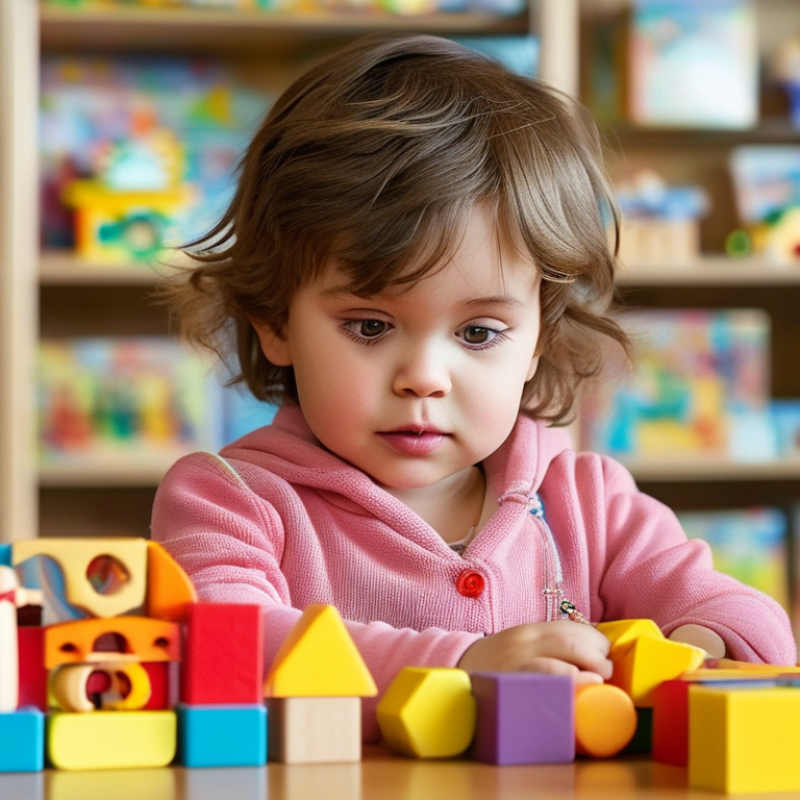
Understanding the developmental stages of children is vital when selecting educational toys. Babies from 0 to 12 months thrive on sensory experiences. Toys that offer varied textures and sounds can stimulate cognitive and physical development. A recent study from the American Academy of Pediatrics emphasizes that sensory play boosts brain development significantly during this stage.
As children enter the toddler phase, aged 1 to 3 years, they benefit from toys that promote imaginative play. These toys help improve language skills and encourage social interaction. According to a report by the Child Development Institute, interactive toys—such as dolls and action figures—enhance creativity and problem-solving abilities. Children in this age group need toys that adapt to their growing skills.
For preschoolers aged 4 to 5 years, toys focusing on basic math and language are crucial. Building blocks and puzzles develop spatial awareness and logical thinking. The National Association for Education of Young Children reports that play with these toys fosters critical thinking. This stage often requires deeper engagement, and the right toys can challenge them appropriately. It’s important to reflect on how these toys align with your child’s interests and abilities for effective learning.
Choosing the right educational toys for infants can feel overwhelming. At the age of 0-12 months, babies are curious explorers. They learn through their senses—touch, sight, and sound. Selecting toys that stimulate these senses is crucial for their development.
Soft blocks are excellent for infants. They encourage tactile exploration and are safe for chewing. Look for colorful designs to catch their attention. Rattles can introduce sounds and aid in auditory awareness. Choose ones that are easy to grasp to aid motor skills.
**Tips:** Opt for toys that are lightweight. Infants should easily handle them. Ensure toys are washable to maintain hygiene. Regularly rotate toys to keep their environment fresh. This promotes curiosity and ongoing interest.
As babies grow, their needs evolve. Reflect on how often a toy engages your child. Do they show interest or quickly lose focus? Adjustments may be necessary. Always monitor their reactions and preferences. Understanding your infant's learning style is essential.
| Toy Name | Age Range | Learning Focus | Material Type | Price Range |
|---|---|---|---|---|
| Soft Cloth Book | 0-6 months | Sensory Development | Fabric | $10 - $15 |
| Activity Gym | 0-6 months | Motor Skills | Plastic/Fabric | $30 - $50 |
| Stacking Rings | 6-12 months | Hand-Eye Coordination | Wood | $15 - $25 |
| Push Toy | 9-12 months | Gross Motor Skills | Wood/Plastic | $20 - $30 |
| Musical Toy | 0-12 months | Sensory & Cognitive | Plastic | $15 - $35 |
Choosing educational toys for toddlers aged 1-3 years is essential for their development. At this age, children are curious and eager to explore. They learn through play, so selecting the right toys can foster their cognitive and motor skills. Focus on toys that encourage problem-solving and creativity. For example, stacking blocks help with hand-eye coordination and spatial awareness.
Tips: Look for toys made from safe, non-toxic materials. Ensure they are durable and free from small parts that could pose a choking hazard. Simple puzzles and shape sorters can enhance critical thinking while being fun. Encourage your child to experiment and discover new ways to play with their toys. This exploration builds confidence.
It's important to remember that every child is unique. Some may thrive with interactive toys, while others prefer solitary activities. A balance is key. Observe your child's interests and adapt their toy selection accordingly. Don't hesitate to rotate toys to keep their playtime fresh and engaging. This can reignite interest in toys that may have been overlooked.
When selecting learning tools for preschoolers aged 3 to 5, consider their developmental stages. At this age, children are curious and eager to explore. Toys that promote sensory play are great choices. For instance, blocks, playdough, and water tables can enhance fine motor skills. These activities allow little ones to engage all their senses, which is crucial for their growth.
Additionally, look for toys that encourage imaginative play. Dress-up clothes and puppets can spark creativity. They inspire storytelling and role-playing, helping children develop their language skills. However, it’s important to evaluate how children interact with these toys. Not every child will show interest in the same type of play. Observe their preferences and adapt choices accordingly.
Lastly, ensure that educational toys are age-appropriate. Toys that are too complex can lead to frustration. Conversely, overly simple toys may not capture their attention. Striking a balance is key. Experiment with different types of toys and allow some trial and error. Reflect on what works best for your child’s individual needs and interests.
When selecting educational toys for children aged six and above, it’s essential to consider their rapidly developing cognitive and social skills. At this stage, kids thrive on challenges that stimulate their critical thinking. Puzzles, logic games, and building sets can greatly enhance problem-solving abilities. They draw on abstract thinking and encourage creativity. Toys that encourage collaboration, like group games or science kits, aid social development. These interactive toys foster teamwork and communication among peers.
The right toys should also resonate with their interests. Children at this age are curious and eager to explore various topics. Incorporating crafts or STEM-based toys can motivate them to discover new concepts. A child fascinated by space may benefit from a telescope or a planetarium model, while those interested in nature might enjoy kits that focus on biology or geology. Selecting toys that challenge and engage kids can cultivate a lifelong love for learning.
Parents face the tough task of balancing educational value with their child’s interests. It’s not always straightforward. Some toys may seem appealing but lack depth in educational content. Observing how a child interacts with different toys can provide valuable insights. This reflection can lead to more informed choices in the future. Engaging with children about their preferences ensures that learning remains fun and motivating.
: Sensory toys with varied textures and sounds are ideal. They stimulate cognitive and physical development during this stage.
Toys that encourage imaginative play improve language skills and promote social interaction. Interactive toys enhance creativity.
Building blocks and puzzles focus on math and language skills. They help develop spatial awareness and logical thinking.
These toys stimulate critical thinking and problem-solving. Kids enjoy challenges that engage their cognitive and social abilities.
Observing a child's interactions with toys provides insights. Engaging with them about their preferences makes learning enjoyable.
Some appealing toys may lack educational depth. Reflection on their educational value is crucial for informed choices.
When considering how to choose educational toys by age, it's essential to understand the developmental stages of children. Infants (0-12 months) benefit from toys that stimulate sensory exploration, such as soft blocks and rattles. For toddlers (1-3 years), look for toys that promote fine motor skills and encourage imaginative play, like stacking games and simple puzzles.
As children transition to preschoolers (3-5 years), educational toys should focus on social skills and basic literacy and numeracy, including role-playing sets and storybooks. For early school-age children (6+ years), the emphasis shifts to critical thinking and problem-solving, making science kits and educational board games ideal choices. By aligning toys with these developmental milestones, caregivers can effectively support optimal learning and growth.

Osfor Toy