Children learn in unique ways, and one of the most effective methods is through play. Research shows that play-based activities enhance cognitive, social, and emotional development. According to the National Association for the Education of Young Children (NAEYC), play is essential in helping children acquire critical thinking skills. It allows them to experiment, make mistakes, and learn from those experiences.
Dr. David Elkind, a prominent child psychologist, emphasizes, "Play is not a luxury; it is a necessity." This statement highlights the significance of play in a child's educational journey. Play enables children to explore their environment, fostering creativity and problem-solving skills. In a world that increasingly values structured learning, the power of play often gets overlooked.
Understanding "why do children learn better through play" requires a look at various studies. The American Academy of Pediatrics reports that children who engage in play are more likely to excel academically. However, some educators still struggle to integrate play into their teaching methods. There is a need to reflect on our educational practices and ensure that play remains a cornerstone of learning.
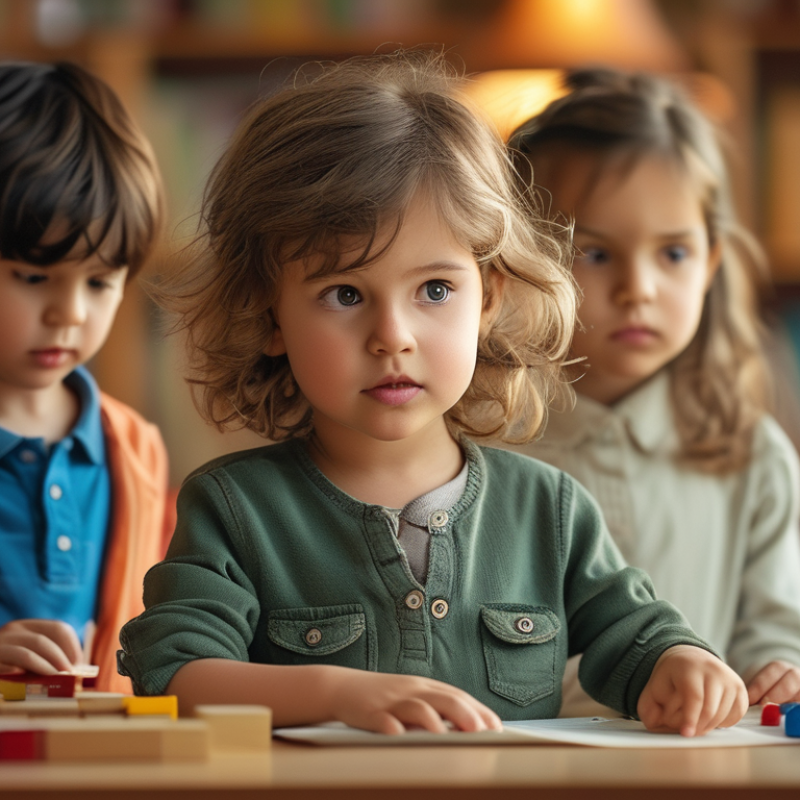
The Importance of Play in Child Development
Play is a fundamental component of child development. It encourages creativity and problem-solving skills. Through play, children explore their surroundings. They learn to interact with others and develop social skills. Imagine a toddler building a tower of blocks. Each block teaches balance and cause-and-effect. When the tower falls, they experience frustration and perseverance.
Engaging in play also fosters emotional growth. Children express joy through games, but they also encounter challenges. They learn to manage their feelings and cope with disappointment. For example, a child playing a team sport faces both victory and defeat. These moments cultivate resilience and self-awareness. Play also allows children to navigate complex social dynamics. They learn sharing, cooperation, and empathy.
However, play isn't always seamless. Children may struggle with conflicts during activities. They might need guidance to resolve disagreements. Adults can support this by encouraging communication. Reflecting on these experiences enables children to develop interpersonal skills. Play serves as a rich context for learning. It's not just fun; it's crucial for healthy development.
Why Do Children Learn Better Through Play Activities?
Play activities are crucial for a child's development, enhancing essential skills such as cognitive, social, emotional, physical, and creative abilities. The graph illustrates the varying importance of these skills, highlighting how play contributes significantly to overall learning and development in children.
Cognitive Benefits of Learning through Play
Play activities are essential for children's cognitive development. Engaging in play allows children to explore their environment freely. They encounter challenges that require problem-solving skills. For example, building with blocks fosters spatial awareness and encourages creativity.
During play, children learn to think critically. They experiment and discover cause-and-effect relationships. A child might wonder what happens if they stack blocks too high. This simple inquiry promotes thoughtful experimentation. Such experiences are crucial for developing reasoning.
Additionally, playful interactions enhance social skills. Children learn to cooperate and communicate with peers. Role-playing games offer scenarios to understand emotions. While children may face conflicts during play, resolving these challenges helps them build resilience. Through these unstructured moments, they become better thinkers and more adaptable individuals.
Emotional and Social Skills Gained from Play Activities
Play activities are crucial in helping children develop emotional and social skills. When children engage in play, they learn to communicate effectively. They express their feelings and thoughts, which enhances their emotional intelligence. For instance, a child playing dress-up may navigate sharing roles or negotiating who plays what character. This interaction boosts their self-awareness and empathy.
Tip: Encourage role-playing games at home. They foster understanding of different perspectives. Allow your child to take the lead. This builds confidence in their decision-making skills.
During play, children face challenges. They may encounter conflicts with peers or have ideas disregarded. These situations offer vital lessons. Children learn to resolve disagreements, negotiate, and compromise. Through such experiences, they develop resilience and patience.
Tip: Introduce games that require teamwork. Board games or group sports teach collaboration. It’s okay if they struggle initially; learning to work with others takes time.
Play is not just fun; it’s a foundation for emotional maturity and social competence. The lessons learned are profound yet often overlooked. Children grow through these experiences, shaping their future relationships.
Why Do Children Learn Better Through Play Activities? - Emotional and Social Skills Gained from Play Activities
| Skill |
Description |
Benefits |
| Collaboration |
Working together with others towards a common goal in play. |
Promotes teamwork and communication skills. |
| Problem Solving |
Identifying challenges and finding solutions during play. |
Enhances critical thinking and decision-making abilities. |
| Emotional Regulation |
Learning to manage feelings through play scenarios. |
Improves self-control and resilience. |
| Creativity |
Expressing ideas and making new things during play. |
Fosters innovation and imaginative thinking. |
| Social Skills |
Interacting with peers and learning social norms during play. |
Enhances empathy, sharing, and relationship building. |
Types of Play Activities that Enhance Learning
Children learn best when they are engaged in play activities. These activities can vary widely and cater to different aspects of learning. For instance, imaginative play allows kids to explore their creativity and develop problem-solving skills. Pretend play, where children take on roles, can enhance communication and social skills. They learn to express themselves and negotiate roles within a group.
Another effective type is constructive play. Building with blocks or crafting shapes encourages spatial awareness and critical thinking. It requires planning and execution, teaching children how to approach tasks methodically. These hands-on experiences can sometimes feel chaotic but offer essential lessons in perseverance and adaptability.
Even outdoor games can serve as learning opportunities. Activities like tag or hide and seek involve physical skills and promote teamwork. However, kids often face challenges in understanding rules or resolving conflicts. This imperfect setting helps them navigate social dynamics, fostering resilience. Each type of play holds the potential to deepen understanding and ignite a passion for learning.
Practical Strategies for Integrating Play into Learning Environments
Integrating play into learning environments can significantly enhance children's educational experiences. Play activities stimulate creativity and problem-solving skills. They also promote social interaction among peers. When children are engaged in play, they learn naturally. This fosters a love for learning that can last a lifetime.
Here are some practical strategies to incorporate play into learning. Create a learning corner filled with various materials. Use building blocks, art supplies, and role-play items. Allow children to explore these freely. Set up themed play areas, such as a mini-store or a science lab, to spark their curiosity. Activities around these themes can reinforce concepts in an engaging way.
Encourage outdoor play, as nature provides endless learning opportunities. Organize scavenger hunts to teach observation and critical thinking. Integrate traditional games that can introduce mathematical concepts or reading skills. Remember, flexibility is key. Reflect on what works well and adapt your approach. Listening to children can provide valuable insights into their interests and needs.
Conclusion
Play is a fundamental aspect of child development, serving as a vital tool for learning. One of the key reasons why do children learn better through play is that it fosters cognitive growth by allowing them to explore concepts in a hands-on manner. Engaging in play-based activities stimulates their imagination and creativity, leading to deeper understanding and retention of information. Additionally, play enhances emotional and social skills, helping children navigate relationships, develop empathy, and build confidence.
Various types of play activities, such as role-playing, building games, and interactive storytelling, can significantly enhance learning outcomes. To effectively integrate play into learning environments, educators and caregivers can implement practical strategies such as incorporating play-based lessons and creating safe spaces for exploration. Ultimately, recognizing the multifaceted benefits of play can help maximize children's learning experiences and support their holistic development.

 Osfor Toy
